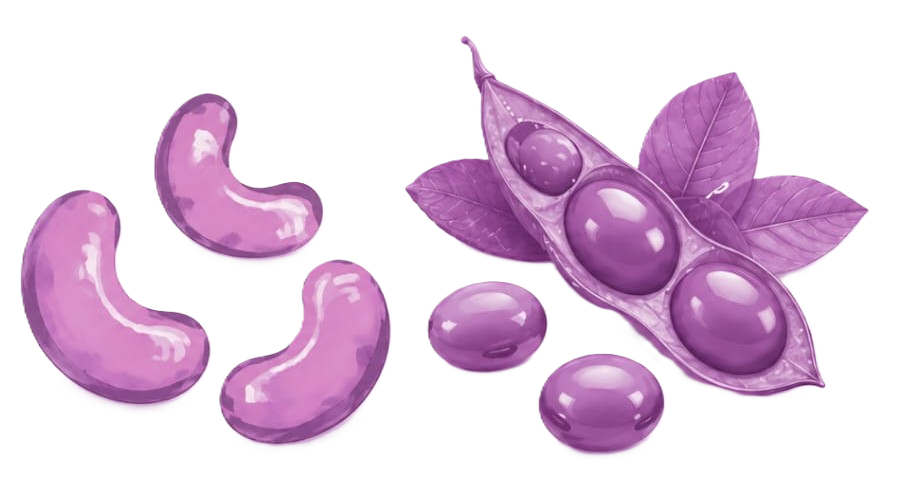
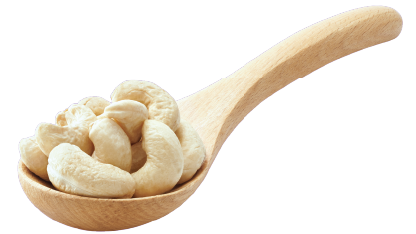
Cashews are not actually nuts. Despite their name, cashews are not true nuts. They are seeds that grow on the cashew apple, a tropical fruit.
Native to northeastern Brazil, the tree made its way to India by Portuguese sailors between 1560 and 1565.
The Portuguese name for the nut is “caju” which is where the informal name comes from.
Nutrient-rich: Cashews are packed with essential nutrients, including vitamins (like B vitamins), minerals (such as magnesium and zinc), and antioxidants that contribute to overall health.
Heart-healthy fats: Cashews are a good source of monounsaturated and polyunsaturated fats, which can help lower bad cholesterol levels and reduce the risk of heart disease.
No unnecessary chemicals
Conventional soy is often sprayed with pesticides. Organic soy is grown without synthetic chemicals, so you’re simply getting clean plant protein, nothing extra your body has to fight.
Always non-GMO
Most conventional soy is genetically modified which wreaks havoc on your gut and hormones. Organic soy, by rule, is non-GMO. That means it’s grown the way nature intended, giving you transparency and better health.
Better for your hormones
Soy naturally contains plant compounds called isoflavones, which are generally safe and beneficial. But when combined with chemical residues, the load on your hormonal system can increase. Organic keeps it cleaner and gentler on your endocrine system.

Easier on your gut
Your gut lining is sensitive. Choosing organic soy reduces exposure to potential irritants, making it a lighter, more gut-friendly protein option, especially if you’re working on healing or improving digestion.
Grown in healthier soil
Healthy soil grows healthier food. Organic farming supports soil biodiversity and sustainability, which often translates into better overall nutritional integrity.
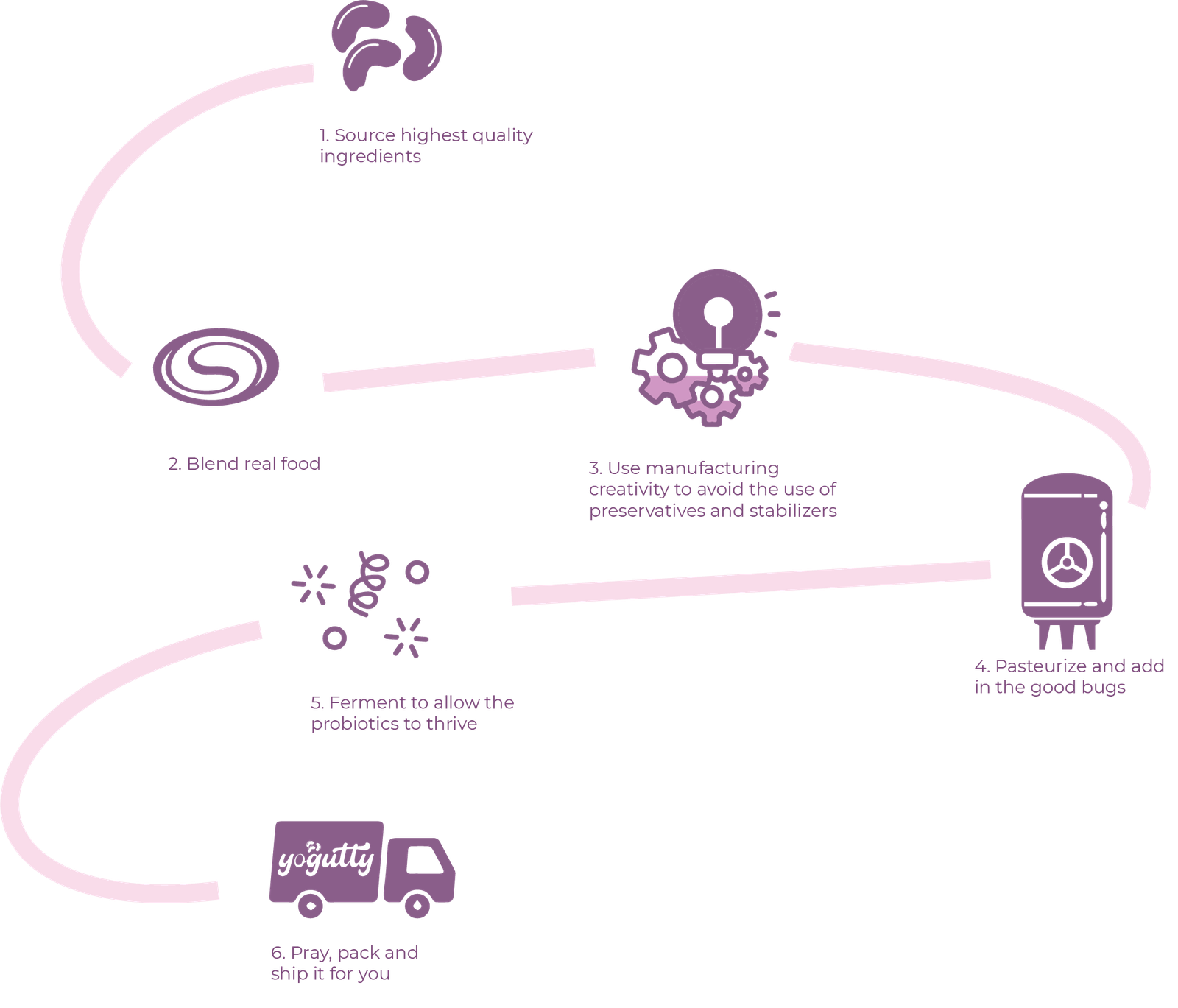
Our Process
We believe in no shortcuts!